
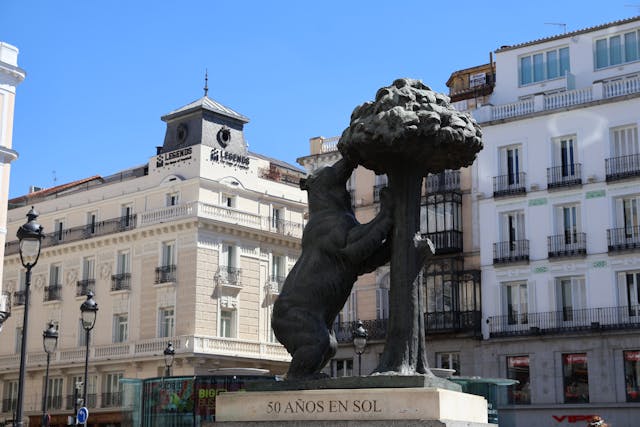
Where to Stay in Madrid: A Neighborhood Guide
Deciding where to base yourself in Spain's electric capital? We’ve broken down the chaos into a guide for every type of traveler.
Table of Contents
- How to choose the right area
- The Cheat Sheet: Madrid at a Glance
- Sol, Gran Vía & Austrias (The Historic Core)
- Barrio de las Letras (Literary Quarter)
- La Latina (Tapas Central)
- Malasaña (The Hipster Hub)
- Chueca & Salesas (LGBTQ+ & Trendy)
- Salamanca (Luxury & Shopping)
- Retiro & Atocha (Art & Day Trips)
- Chamberí (Live Like a Local)
- Lavapiés (Multicultural & Edgy)
- Safety Tips & Areas to Avoid
- Frequently Asked Questions
How to choose the right area in Madrid
Madrid is deceptively compact. Unlike sprawling capitals like London or Paris, the "center" of Madrid is a dense web of neighborhoods that bleed into one another. You can walk from the hipster coffee shops of Malasaña to the historic grandeur of Plaza Mayor in about 20 minutes.
Because of this, choosing where to stay isn't really about "location" in the strict sense—almost everything is central. It comes down to vibe. Do you want to sleep on a quiet, polished street? Do you want to be stumbling distance from the best tapas bars? Or do you want to be right in the neon glow of the main shopping drag?
When looking at forums like Reddit and TripAdvisor, the same criteria usually dictate the decision:
- Noise levels: Madrid is loud. Areas like Sol and Gran Vía never really sleep, while Salamanca or Chamberí offer a respite.
- Character: The "Old World" charm of the Austrias vs. the alternative grit of Lavapiés.
- Budget: The dead center is pricey; moving just two metro stops north or south often gets you better value.
- Transit: If you plan on day-tripping to Toledo or Segovia, staying near Atocha station is a strategic move.
The Cheat Sheet: Madrid at a Glance
In a rush? Find your traveler profile below to see which neighborhood fits you best.
| Traveler Type / Priority | Best Neighborhoods |
|---|---|
| First-timer, short stay (2-3 days) | Sol, Austrias, Barrio de las Letras |
| Couples seeking romance & charm | Barrio de las Letras, La Latina |
| Nightlife & Creative Vibe | Malasaña, Chueca |
| LGBTQ+ Travelers | Chueca (and nearby Salesas) |
| Foodies & Tapas Hopping | La Latina, Barrio de las Letras, Malasaña |
| Families with Kids | Retiro/Atocha area, Salamanca, Chamberí |
| Luxury & Shopping | Salamanca (Serrano area) |
| "Live Like a Local" / Longer Stays | Chamberí, La Guindalera |
| Budget Travelers | Lavapiés, outer edges of Malasaña |
Sol, Gran Vía & Barrio de los Austrias
Best for: First-timers, adrenaline junkies, and people who hate public transport.
This is ground zero. If you stay here, you are stepping out of your door directly into the chaos and charm of tourist Madrid. The "Austrias" area covers the oldest part of the city (Royal Palace, Plaza Mayor), while Gran Vía is the Broadway of Madrid. These neighbourhoods comprise Centro, you can go direct to hotels in centro Madrid here.
The Good: You can walk absolutely everywhere. The energy is infectious, and there are endless hotel options.
The Bad: It is intensely crowded. You will deal with street performers, hustlers, and noise. Don't expect a "neighborhood" feel; this is the commercial heart of the city.
Barrio de las Letras (Huertas)
Best for: Couples, literature lovers, and charm seekers.
Sandwiched between the busy center and the Prado Museum, the "Literary Quarter" is often cited as the sweet spot for travelers. It’s pedestrian-friendly, paved with quotes from famous Spanish writers, and packed with boutique hotels.
The Good: Incredible atmosphere. It feels historic and "old world" without being as tacky as the main squares. You are steps away from the Golden Triangle of Art museums.
The Bad: Plaza Santa Ana is a tourist magnet, so prices there are high. The nightlife spills onto the street, so lower floors can be noisy.
La Latina
Best for: Tapas fanatics and Sunday travelers.
This is the Madrid of your imagination: winding medieval streets, crumbling churches, and a bar every three feet. It’s the home of the famous Cava Baja tapas crawl and the Sunday El Rastro flea market.
The Good: The food scene is legendary. It feels deeply traditional (castizo) and alive.
The Bad: On weekends, the crowds are suffocating. The hills and cobblestones can be tough for those with mobility issues. Some areas near the market can feel a bit rougher late at night.
Malasaña
Best for: The cool crowd, nightlife lovers, and vintage shoppers.
North of Gran Vía lies the center of the Movida Madrileña counter-cultural movement. Today, it’s a hipster paradise of specialty coffee, vintage shops, and graffiti.
The Good: A very youthful, "lived-in" energy. Great for brunch and late-night drinks. It feels like a real community.
The Bad: Noise. If your hotel faces a plaza, bring earplugs. The streets are narrow and can get jammed with party-goers on Friday nights.
Chueca & Salesas
Best for: LGBTQ+ travelers and trendsetters.
Chueca is world-renowned as one of the best LGBTQ+ neighborhoods in Europe. It’s vibrant, inclusive, and exceptionally fun. Adjacent Salesas is becoming the "Soho" of Madrid—chic, slightly upmarket, and very fashionable.
The Good: Welcoming atmosphere with great boutiques and dining. Central location that bridges the gap between gritty Malasaña and posh Salamanca.
The Bad: Like Malasaña, it is loud and busy, especially during Pride (early July).
Salamanca
Best for: Luxury travelers, shopping, and quiet nights.
If you want wide boulevards, Prada stores, and polished facades, head to Salamanca. This is the wealthiest district in the center. It lacks the grittiness of the old town, swapping it for safety and elegance.
The Good: Very safe, clean, and quiet at night. Excellent high-end dining.
The Bad: It can feel a bit sterile compared to the historic center. You will likely need the metro or a taxi to get to the main sightseeing spots.
Retiro & Atocha
Best for: Families, art lovers, and day-trippers.
Staying near the park offers green space—a rarity in central Madrid. This area is quieter and gives you easy access to Atocha train station, making it perfect if you plan on zipping off to Toledo or Segovia.
The Good: Perfect for morning runs in the park or letting kids play. Walking distance to the Prado and Reina Sofia museums.
The Bad: The nightlife is almost non-existent compared to other barrios. It’s a bit of a hike to Sol.
Chamberí
Best for: Long stays and the "local" experience.
Chamberí is where the Madrileños actually live. It’s untouristy, leafy, and traditional. The food scene here, specifically along Calle Ponzano, is currently the hottest in the city.
The Good: Authentic vibes and fewer tourist traps. You get better value for money on accommodation.
The Bad: You are off the main tourist map, so expect a 20-minute metro ride to see the Royal Palace.
Lavapiés
Best for: Budget travelers and the adventurous.
Lavapiés is complex. It’s the most multicultural neighborhood in Madrid, famous for Indian restaurants and edgy street art. It has a steep, hilly geography and a bohemian spirit.
The Good: Very affordable. Amazing international food and a distinct, alternative culture.
The Bad: It has a grittier reputation. While generally safe, issues with street dealing and petty crime are more visible here than in Salamanca or Retiro. Some travelers may feel uncomfortable late at night.
Safety: What you need to know
Is Madrid safe? Yes, very. It is one of the safest capitals in Europe regarding violent crime. However, it is a major city, and you need street smarts.
- Pickpockets: They are pros here. Be hyper-vigilant in Puerta del Sol, on the Metro, and around major museums. Never hang your bag on the back of a chair.
- Late Night: Most of the center is packed with people until 3 AM. However, some areas (parts of Lavapiés, the back streets of La Latina near the market) can feel sketchy when the crowds thin out.
- Where to avoid: As a tourist, there is little reason to visit the southern suburbs like Puente de Vallecas or San Blas. Stick to the central ring, and you will be fine.
Frequently Asked Questions
Where should a first-timer stay in Madrid?
Barrio de las Letras is the perfect mix of location, charm, and safety.
Which area is best for nightlife?
Malasaña for bars and hipster vibes; Chueca for clubs and LGBTQ+ venues.
Is Lavapiés safe for tourists?
Mostly yes, but it requires more "big city awareness" than other areas. If you are a nervous traveler or arriving late at night alone, you might prefer the predictability of Huertas or Salamanca.
I'm taking the train to Seville/Barcelona. Where should I stay?
Stay near the "Art Triangle" (Paseo del Prado) or in the Retiro area. You'll be walkable to the museums and just a short walk or taxi to Atocha Station.